"You deserve to know exactly what your child did today. Not just that they were safe — but that they were seen."
Every afternoon at 3:15, 48 kids walk through our doors. By 6 PM, each one goes home with a handwritten note — what they built, what they struggled with, what made them laugh. This page is the longer version of that note.
A Real Tuesday,
Minute by Minute.
This is not a sample schedule. This is what happened last Tuesday, February 18th, with 48 kids across three rooms. Names used with parent permission.
Arrival & Transition
Kids walk in from the dismissal line. Backpacks on the hooks, a cup of water, and five minutes to decompress. No screens. No rush.
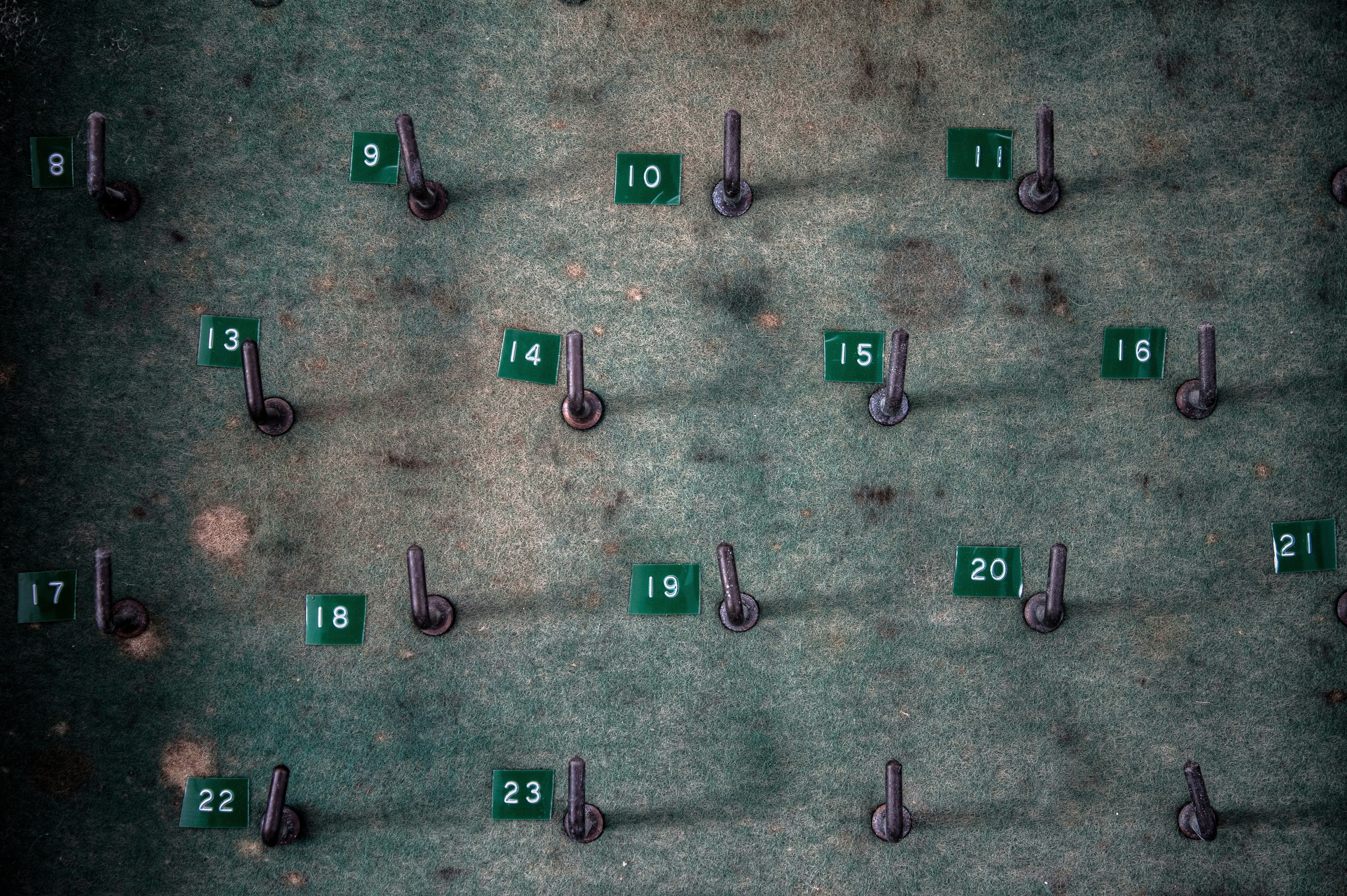
Tuesday arrival. The hooks are labeled with each child's name in their own handwriting. — Enroll, Feb 2026
Snack & Open Conversation
A real snack — not a wrapper. Sliced apples, cheese, crackers. Staff sit at the table too. This is when kids debrief their day without being asked "how was school?"
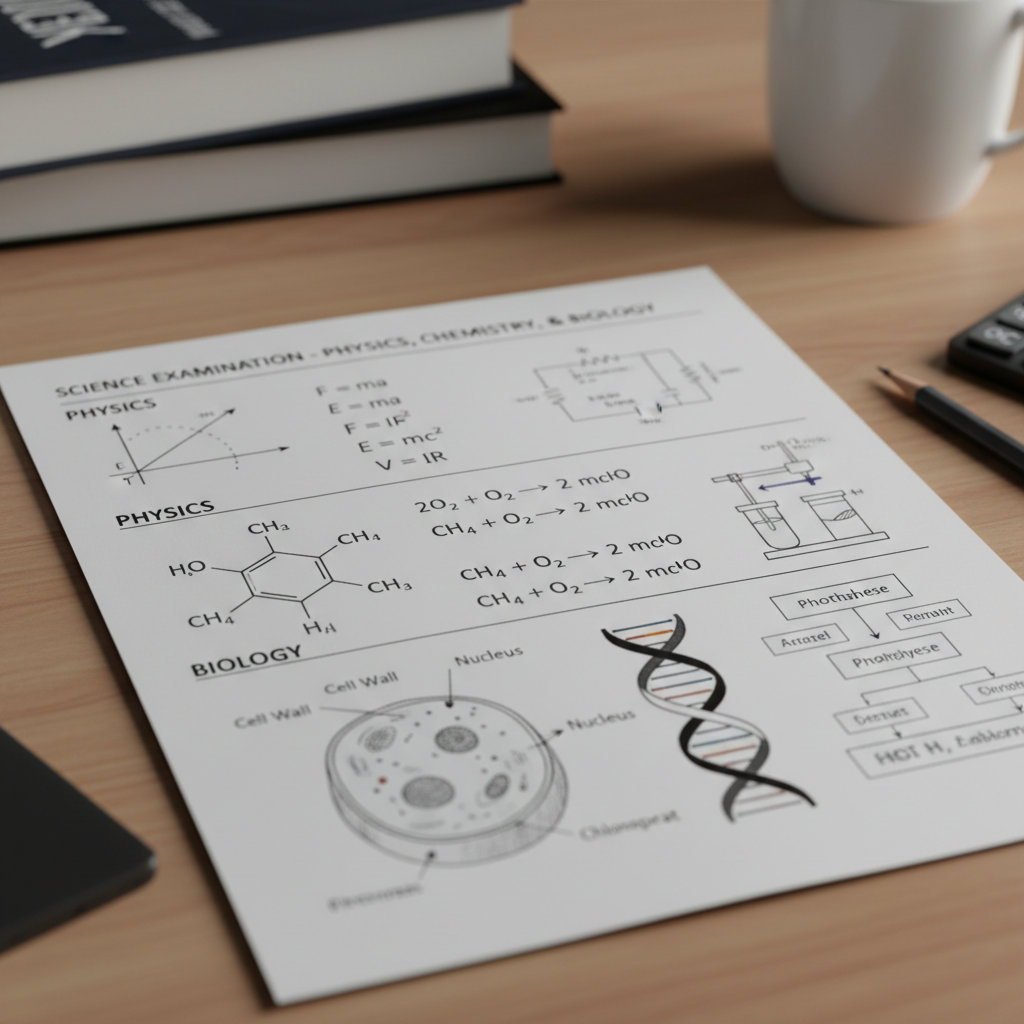
Snack table, Room 2. Deondre explained his entire science test, unprompted. — Tuesday, Feb 18
Homework Block
Forty minutes, structured. Each child works at their own pace. Staff circulate — not to give answers, but to ask the next question. Whiteboards still warm from the previous group.

Homework block, whiteboard still showing the previous group's long-division work. — Tuesday, 4:07 PM
Enrichment Activity
Tuesday is ceramics. This week: pinch pots. Aisha spent the full hour on hers. It's lopsided and perfect. It comes home Friday with a note about what she was thinking about while she made it.
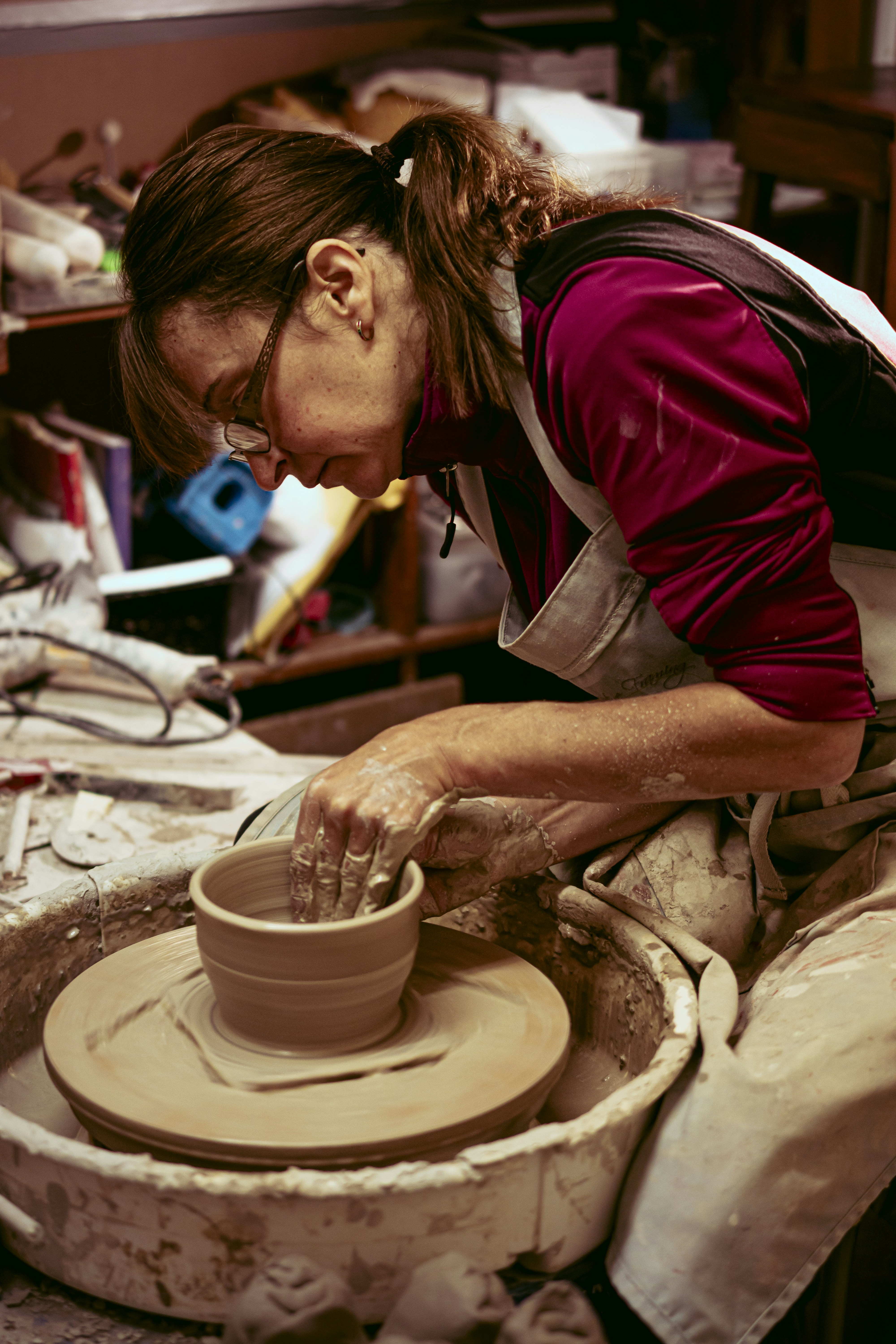
Ceramics room. Aisha's pinch pot, second attempt. She asked if she could make one for her grandmother. — Tuesday
Wind-Down & Pickup Prep
Backpacks packed, handwritten note slipped inside. Staff write one specific thing — not "had a good day" but what actually happened. Pickup starts at 5:45.
Staff writing daily notes. Each one takes about 90 seconds. We've written 4,200 of them since 2019. — Feb 2026
Want the full picture?
Take the guide home.
The complete program guide covers every day of the week, all enrichment rotations, our homework philosophy, and what to expect in your child's grade.
The People in the Room
With Your Child.
Staff profiles, not résumés. The numbers are in the margin — certifications, ratios, background checks — because you should have them. But the person matters more than the credential.

Margaret Osei-Bonsu
Margaret spent six years teaching 3rd grade before she realized what kids needed most wasn't more instruction — it was more time to figure things out without being graded. She built Enroll around that idea. She can name every child's favorite activity from memory.
M.Ed. Early Childhood Education, University of Michigan
14 years in K–8 youth programming
CPR & First Aid certified (renewed Jan 2026)

Tomás Reyes-Villanueva
Tomás teaches ceramics, woodworking, and what he calls "productive frustration" — the feeling kids get when something doesn't work the first time and they choose to try again anyway. He keeps a shelf of every failed first attempt from the past three years.
BFA Studio Art, RISD
Youth arts instruction, 9 years
Background check renewed: Dec 2025

Kezia Thornton
Kezia tutored math through college and learned one thing: most kids who say they hate math actually hate feeling stuck. Her homework block isn't about finishing — it's about the moment the next step becomes obvious. She tracks that moment for every child.
B.S. Mathematics Education, Howard University
Specialized in K–5 differentiated instruction
Staff-to-child ratio maintained: 1:8 max

Dev Patel
Dev ran after-school theater in three different neighborhoods before joining Enroll. He says the kids who are quietest in school are usually the loudest on stage. His reading circles use scripts, not worksheets. Reading comprehension scores in his group went up 22% last year.
BA Theatre & English Literature, NYU Tisch
7 years youth drama instruction
Reading comprehension outcomes: +22% YoY (2025)
Our maximum staff-to-child ratio. State minimum is 1:15. We chose 1:8 because that's the number where a staff member can actually notice if a child is having a hard day.
Why We Do What We Do,
In Our Own Words.
"Most after-school programs are built around the question 'How do we keep them safe until pickup?' We built ours around a different question: 'What does this child need between 3:15 and 6 PM to feel capable tomorrow?'"— Margaret Osei-Bonsu, Program Director
Homework is a bridge, not a battleground.
We don't pressure kids to finish. We help them understand the next step. A child who leaves with one concept clear is better prepared than one who rushed through a worksheet.
Every activity is chosen for a reason.
Ceramics builds fine motor control and patience. Drama builds vocabulary and emotional regulation. Chess builds working memory. We can explain why every single thing we do is on the schedule.
The daily note is non-negotiable.
In seven years, we have never sent a child home without a handwritten note. Not "had a great day." Something specific. Something that proves someone paid attention.
"The enrichment calendar isn't filler. It's the curriculum. Clay on Tuesday is as intentional as reading on Wednesday."— Tomás Reyes-Villanueva, Lead Enrichment Instructor
The program guide goes deeper — the full enrichment rotation, our literacy approach by grade, and how we handle the hard days.
Parents, Interviewed.
Unedited.
We asked parents for interviews, not testimonials. These are their actual words, lightly condensed for length.
Denise Calloway
What made you choose Enroll over the other options?
"I'd toured two other programs. Both showed me a schedule on paper. Margaret walked me through what actually happened the Tuesday before my visit — she remembered which kids had struggled with what. That was it for me."
What's been the biggest surprise?
"Marcus talks about ceramics the way other kids talk about video games. I didn't expect that. I expected homework help. I didn't expect him to come home excited."
Rafael Gutierrez-Morales
You have two kids in the program — how does that work?
"They're in different rooms for most of it, which I think is good. They each get their own experience. But they ride home together and apparently compare notes on what the other one made. It's become a whole thing."
What do you tell other parents who are on the fence?
"Read the daily notes for a week. That's what I say. Not the brochure. The notes. You'll see the difference."
Amara Sesay
What does a hard day look like at Enroll?
"My boys had a fight once — real fight, over a chess game. I got a call that afternoon. Not a vague "there was an incident." A specific call: what happened, what they each said, what the staff did, and what they wanted me to know before pickup. I appreciated that more than I can say."
This Week's Calendar
& How to Enroll.
Week of Feb 24 – Feb 28, 2026
3:15 – 6:00 PMSnack + Conversation
Homework Block
Ceramics Studio
Wind-Down Reading
Calendar updated every Friday for the following week. No login required to view.
Specific to your child's grade.
Ready in your inbox in minutes.
The guide covers the full enrichment rotation, homework philosophy, staff ratios, and what a typical week looks like for your child's grade level.
48 children currently enrolled · 6 spots open for Spring 2026
Program hours: Monday–Friday, 3:15–6:00 PM
Located at Riverside Elementary — no transportation needed